Your living room is the most used space in your home. It’s where you unwind, host people, and spend most of your time indoors. So it makes sense to get it right. Modern traditional design gives you the best of both worlds — the warmth and character of classic style with the clean, livable feel of modern interiors. Here are 25 ideas to help you pull it off.
Whether you’re starting from scratch or just refreshing what you already have, these ideas will help you find the right balance.
1. Balanced Living Room Decor
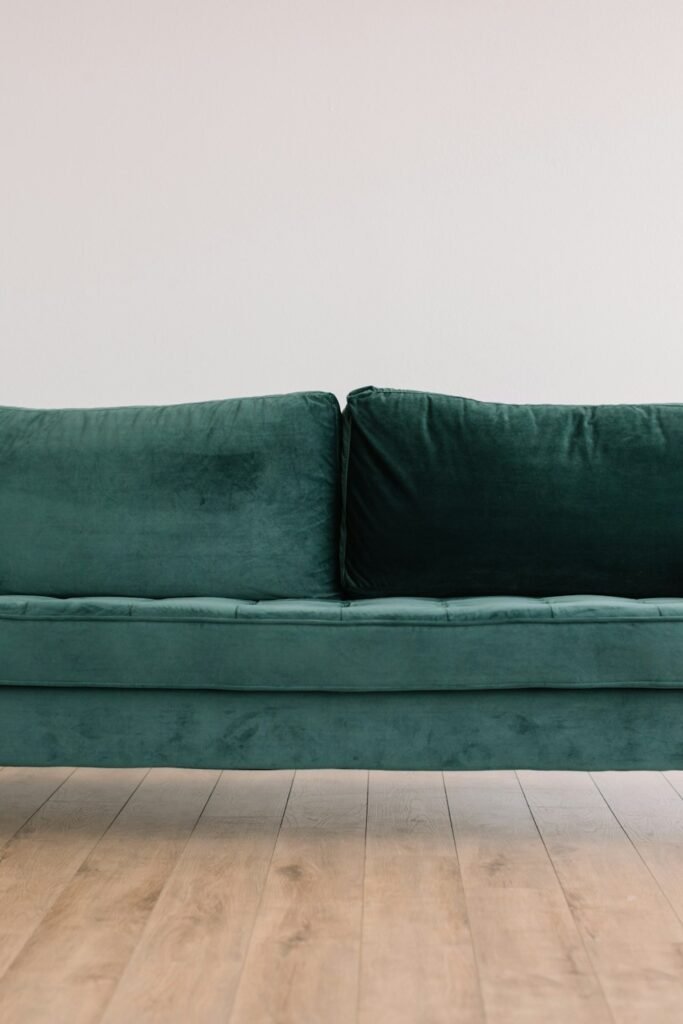
Balance is the foundation of any well-designed room. In a modern traditional living room, that means equal amounts of visual weight on both sides of the space. Pair a heavy sofa with a substantial coffee table. Flank the fireplace with matching chairs. Use symmetry where you can — it instantly makes a room feel intentional and calm.
2. Elevated Living Room Design
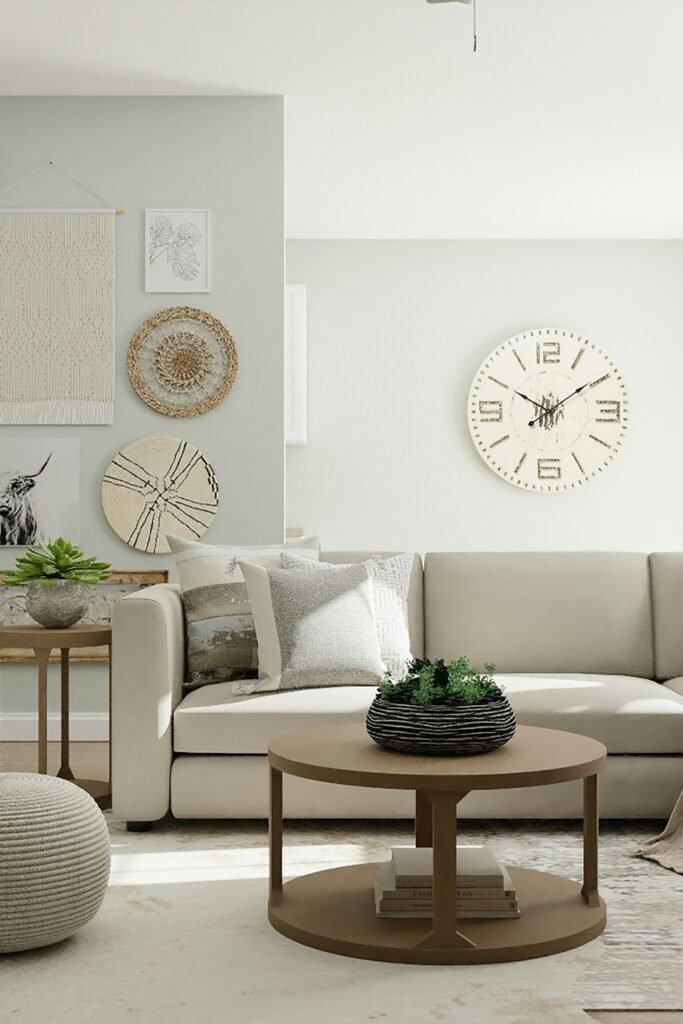
Elevation comes from the details. Crown molding, coffered ceilings, quality fabrics, and well-chosen lighting all push a room from ordinary to polished. You don’t need a big budget — even swapping out basic light fixtures and adding simple molding trim to plain walls makes a noticeable difference.
3. Small Space Living Room
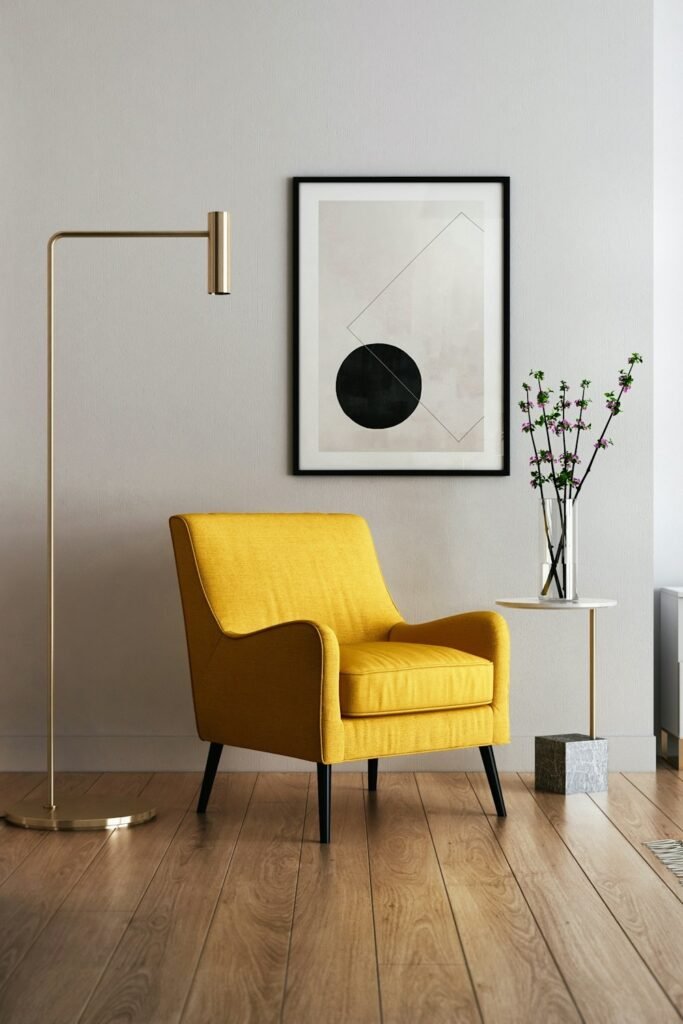
A small living room can still carry the modern traditional style. The key is being selective. Choose one or two quality pieces rather than cramming in everything. A compact tufted sofa, a round coffee table (easier to move around), and wall-mounted shelves keep the floor clear while still adding character. Light neutral walls make the space feel larger.
4. Minimalist Approach to Decorating
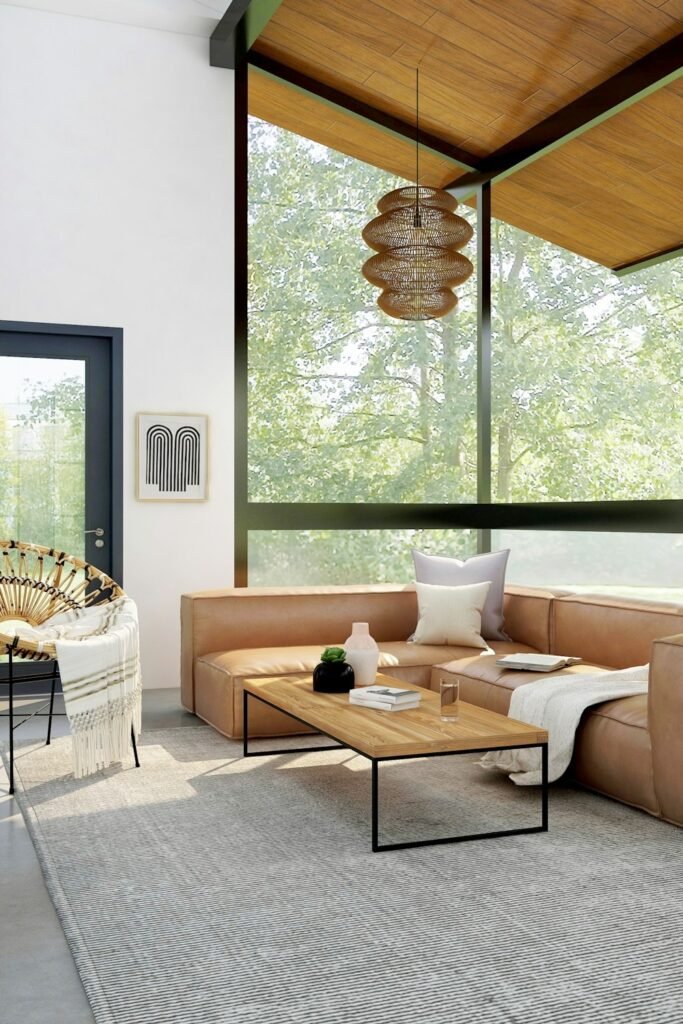
Traditional doesn’t have to mean cluttered. A minimalist take on this style keeps the classic elements — warm wood, quality upholstery, a statement rug — but removes the excess. One large artwork instead of a gallery wall. Two cushions instead of six. Clear surfaces with just a few considered objects. Less is often more.
5. Highlight Special Features
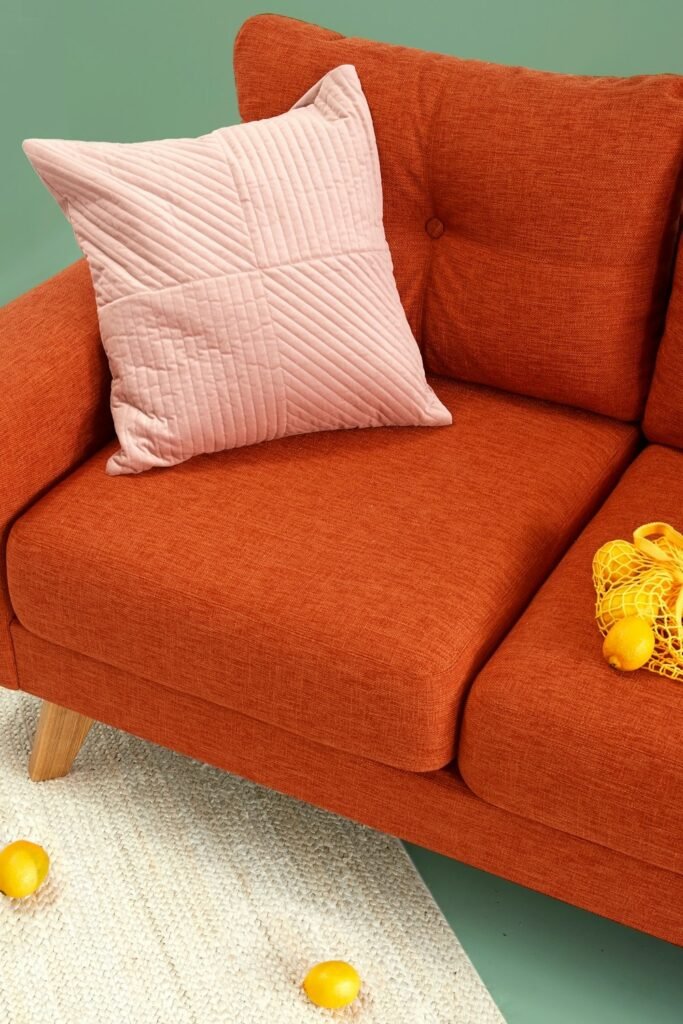
If your room has architectural features — a bay window, exposed beams, arched doorways, or an original fireplace — make them the star. Arrange furniture to draw attention toward them. Use lighting to highlight them at night. Don’t cover them up or compete with them. These features are exactly what gives a traditional room its character.
6. Selecting Art for a Living Room
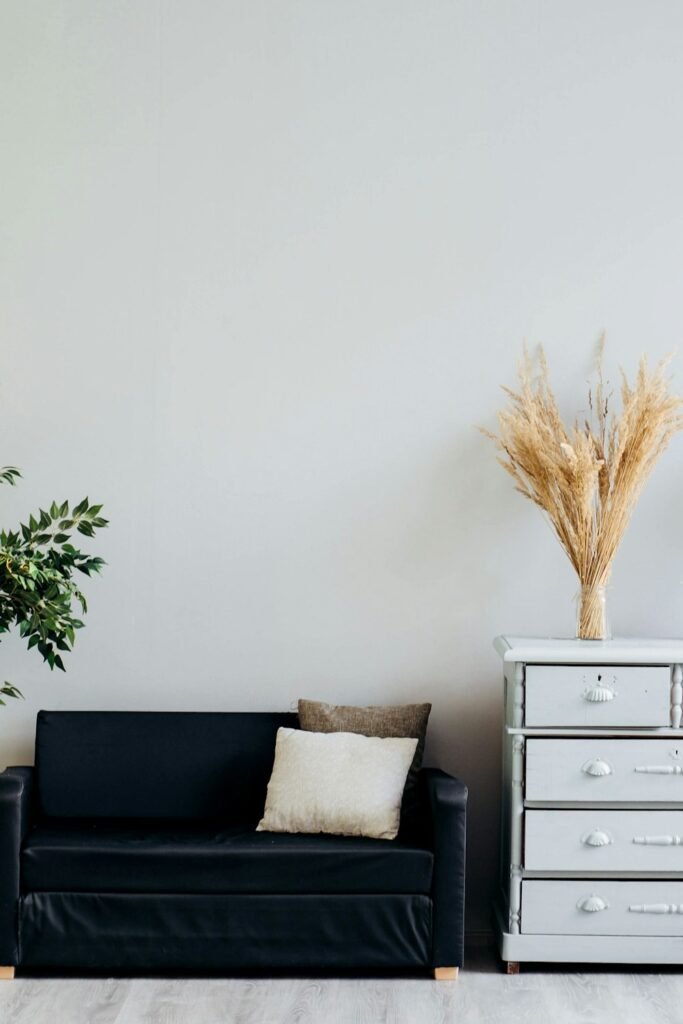
Art is how a room gets a personality. In a modern traditional space, you can mix — a vintage oil painting alongside a modern abstract print, botanical illustrations beside a black-and-white photograph. What ties them together is a consistent color story. Pick two or three tones that appear across all the pieces and the mix will feel curated, not random. Scale matters too. One large piece reads stronger than several small ones scattered around.
7. Arranging Living Room Furniture
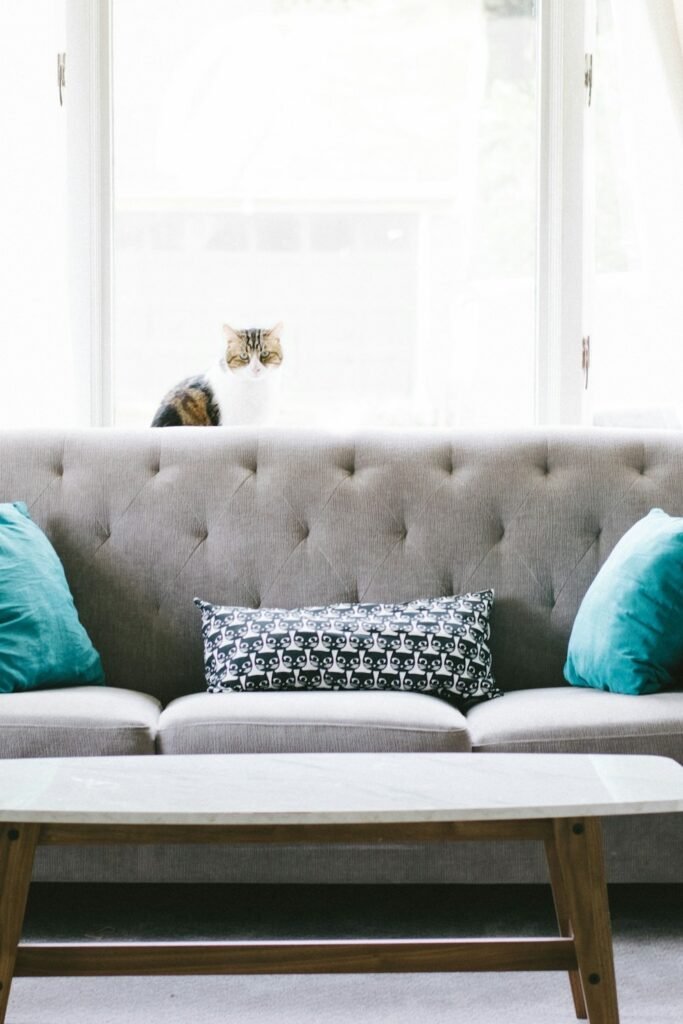
Most people push furniture against the walls. Pull it in slightly instead. Floating furniture creates a more intimate, conversational arrangement and makes the room feel designed rather than just filled. Face seating toward the fireplace or a focal point. Make sure there’s enough space to walk around comfortably — about 18 inches between the sofa and coffee table is a good rule.
8. Mixing Design Styles
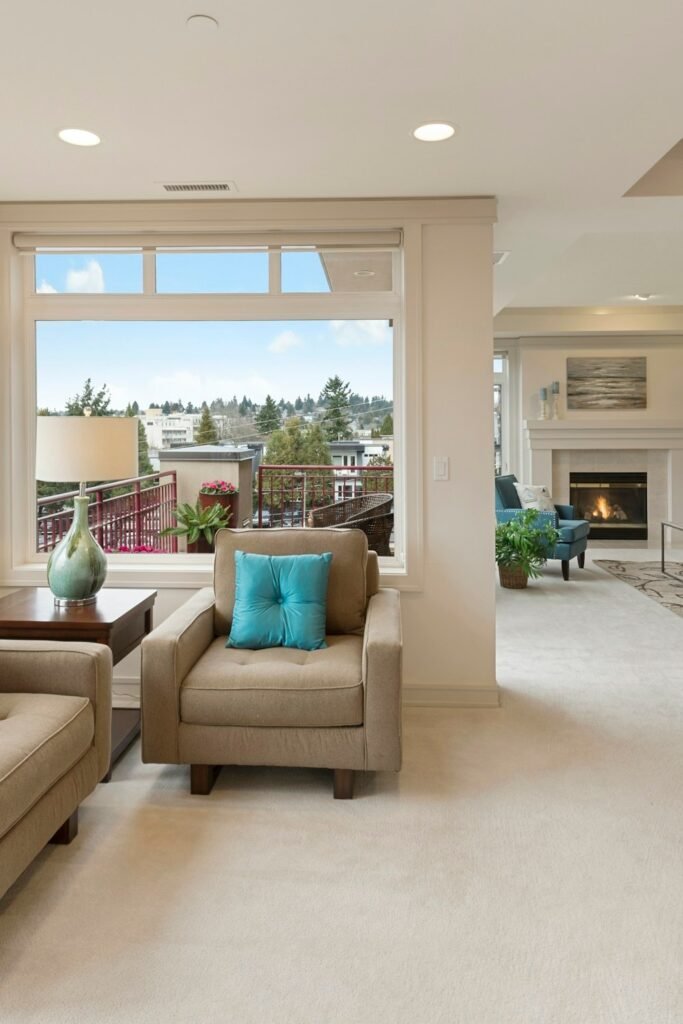
The modern traditional style is built on mixing. A Chesterfield sofa with a sleek metal side table. A Persian rug under a mid-century coffee table. A carved wood mirror above a minimal console. The trick is to mix intentionally — choose pieces that share at least one common element, whether that’s color, material, or scale. Random mixing looks messy; considered mixing looks collected.
9. Rustic Traditional Living Room
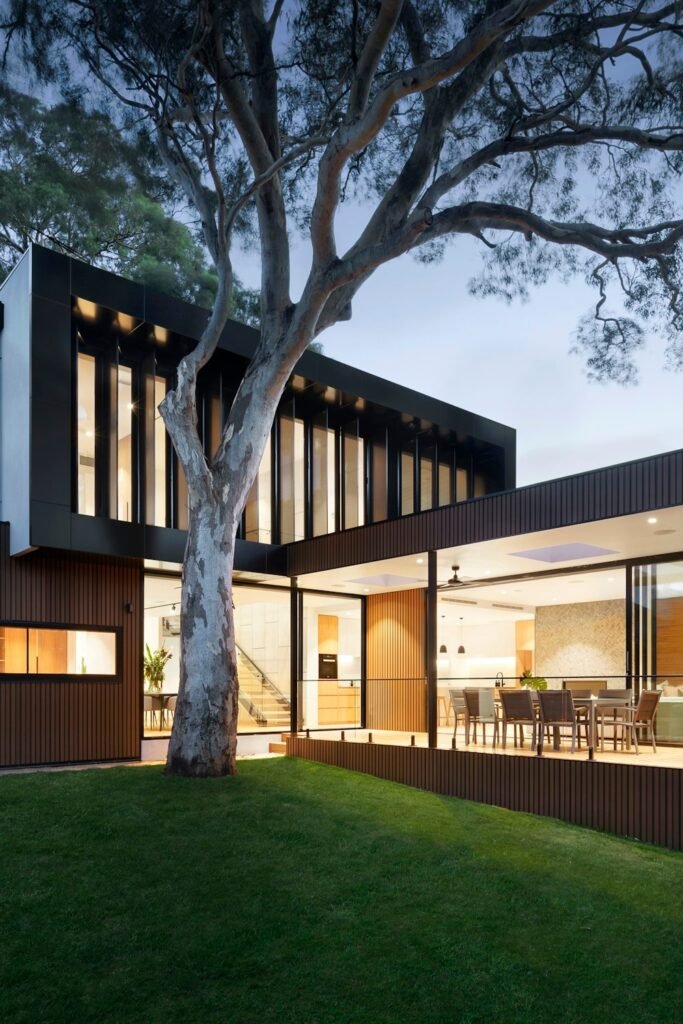
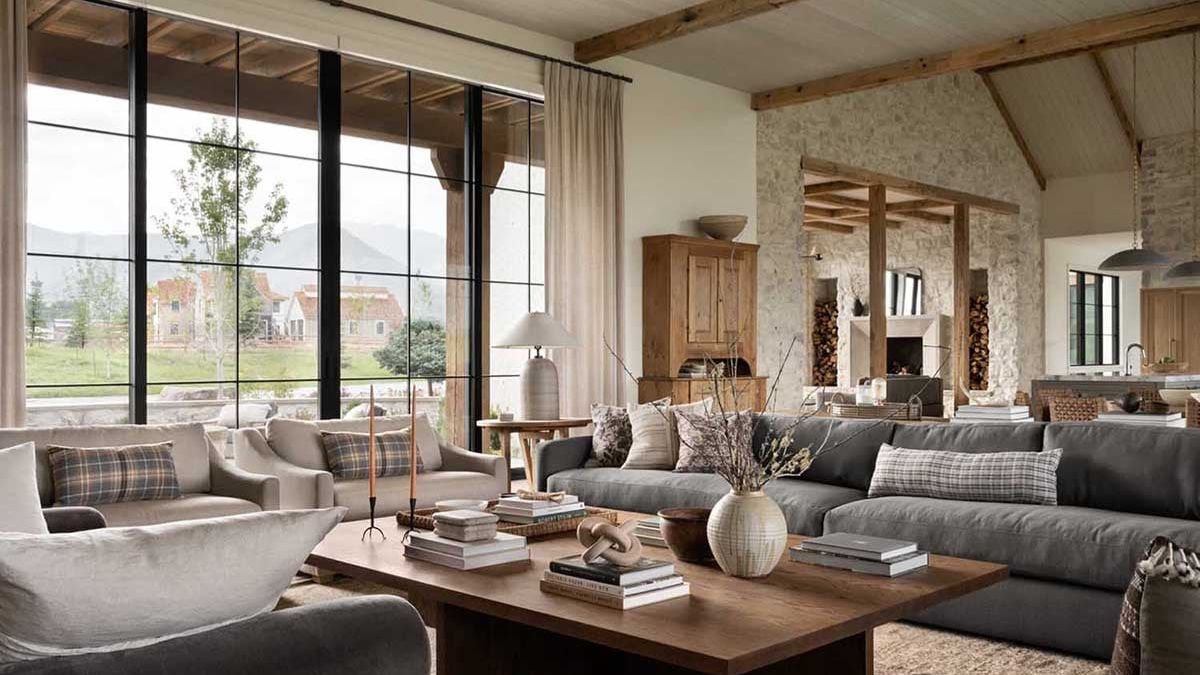
For a rustic twist on the traditional style, lean into natural materials — rough-hewn wood, stone, linen, and leather. Exposed ceiling beams, a stone fireplace, and reclaimed wood furniture all add texture and warmth. Keep the color palette earthy: warm whites, deep browns, terracotta, and olive green. The result feels grounded and genuinely cozy.
10. Painted Fireplace
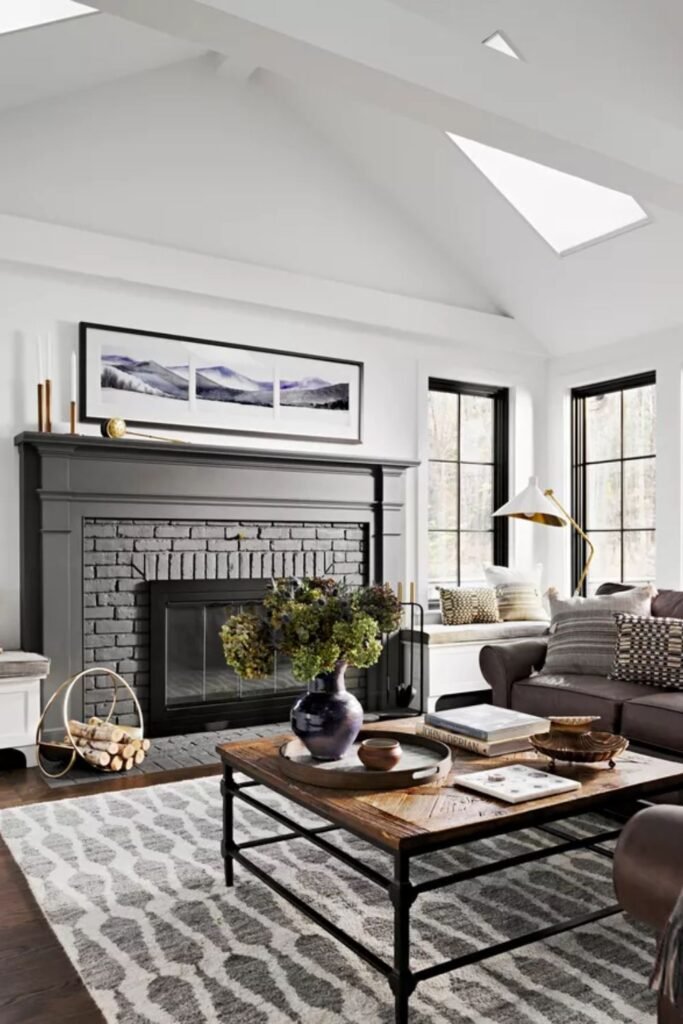
A painted fireplace surround is one of the easiest ways to refresh a traditional living room. White or cream paint gives a classic, clean look. A deeper color — navy, sage green, or charcoal — makes it a bold focal point. Match the color to your wider palette and the fireplace instantly feels intentional rather than dated.
11. Styling Vintage Accessories
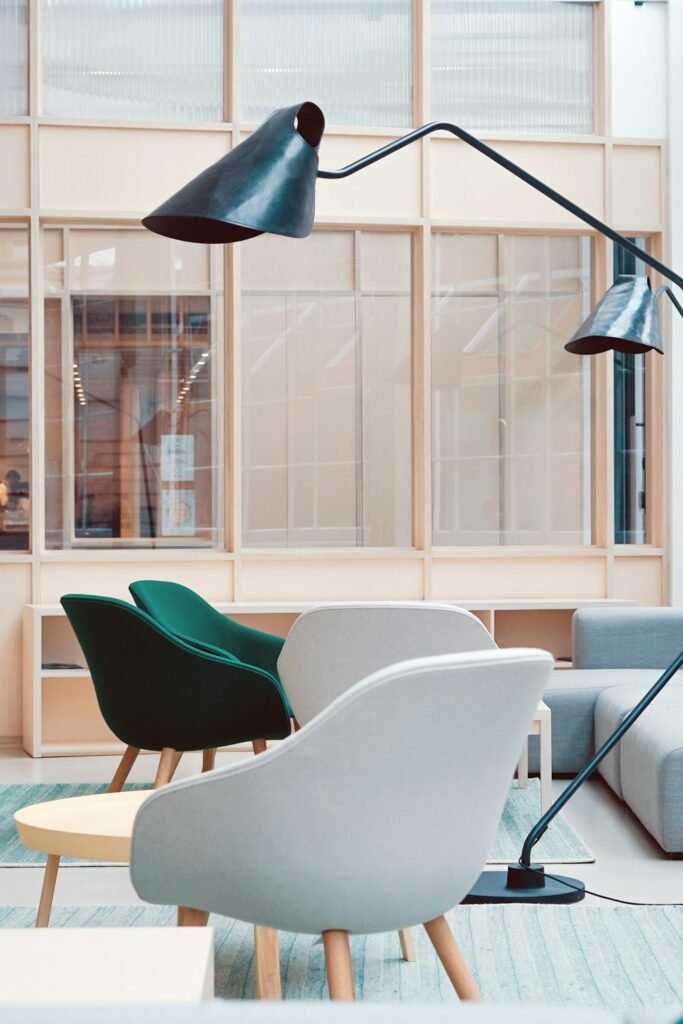
Vintage accessories are what separate an interesting room from a generic one. Brass candlesticks, antique books, ceramic vases, old maps, vintage prints — these pieces add history and personality that no new homeware store can replicate. Display them in small groups using the odd-number rule: three objects together always looks more natural than two or four.
12. Minimalist Traditional Living Room
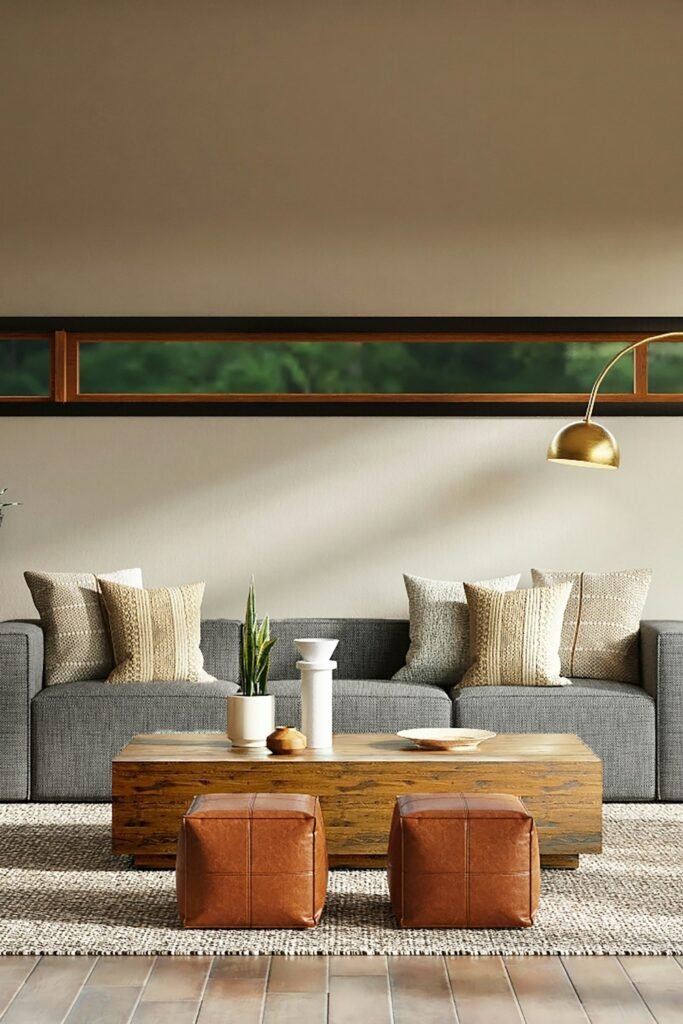
A minimalist traditional room keeps the classic bones — quality sofa, wooden furniture, traditional rug — but strips back the decorative excess. Walls stay clean. Surfaces stay clear. The focus is on a few really good pieces rather than lots of average ones. This approach suits people who love traditional warmth but find heavily decorated rooms overwhelming.
13. Incorporate Antiques
You don’t need a whole room of antiques to get the benefit. One or two well-chosen pieces — a vintage side table, an antique mirror, a set of old leather-bound books — shift the feel of the entire room. Antiques add the kind of age and character that new furniture simply can’t. Estate sales, antique markets, and online platforms are all good sources. Buy what you genuinely love, not just what looks old.
14. Open Plan Living Room

In an open plan space, the challenge is defining the living area without closing it off. A large area rug anchors the seating zone clearly. A sofa with its back to the kitchen or dining area creates a natural boundary. Keep colors consistent across the open space so everything feels connected rather than fragmented. Traditional furniture with strong shapes works especially well in open layouts because it reads clearly from a distance.
15. Mixing Neutrals
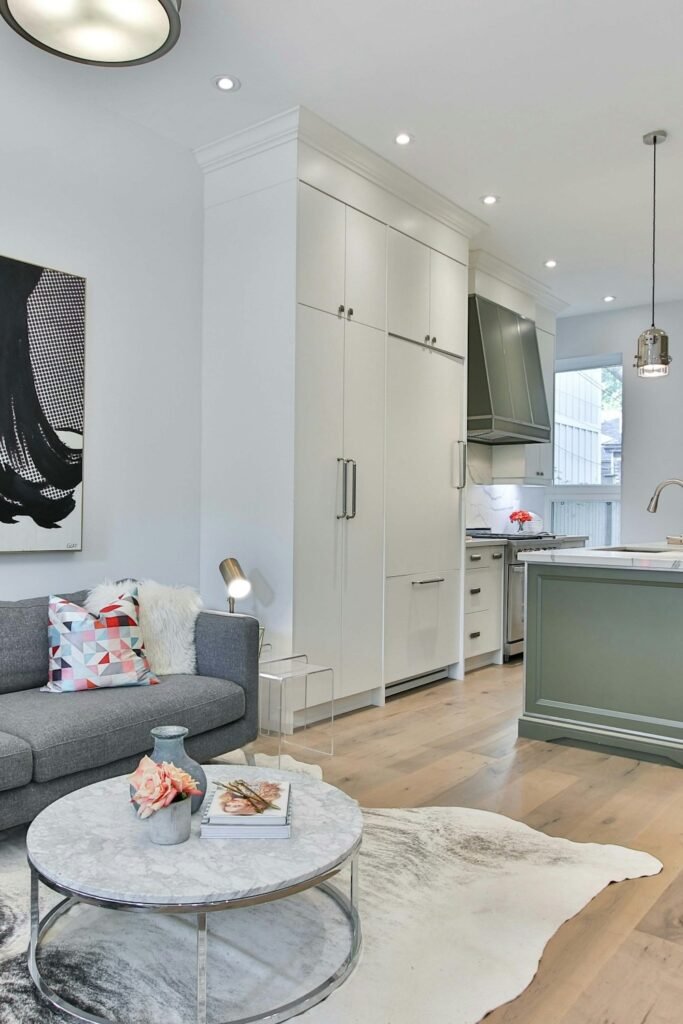
All-neutral doesn’t have to mean boring. The key is mixing different shades and textures within the neutral family — cream, ivory, warm white, sand, taupe, and soft gray all together. Vary the materials: a linen sofa, a wool rug, a cotton throw, a ceramic vase. The texture differences keep the room feeling rich even without bold color.
16. Show Off Statement Pieces
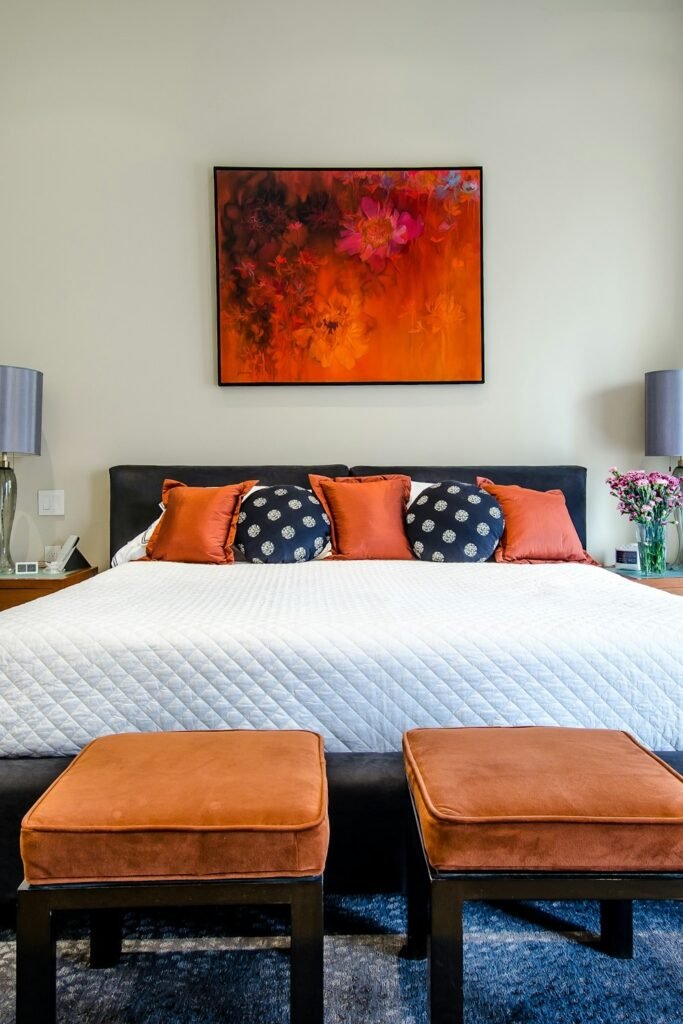
Every room benefits from at least one statement piece — something that immediately catches the eye when you walk in. It could be an oversized artwork, a bold patterned sofa, a vintage chandelier, or an unusual coffee table. Build the rest of the room around it. Keep surrounding pieces more restrained so the statement piece has room to breathe and do its job.
17. Choose a Living Room Focal Point
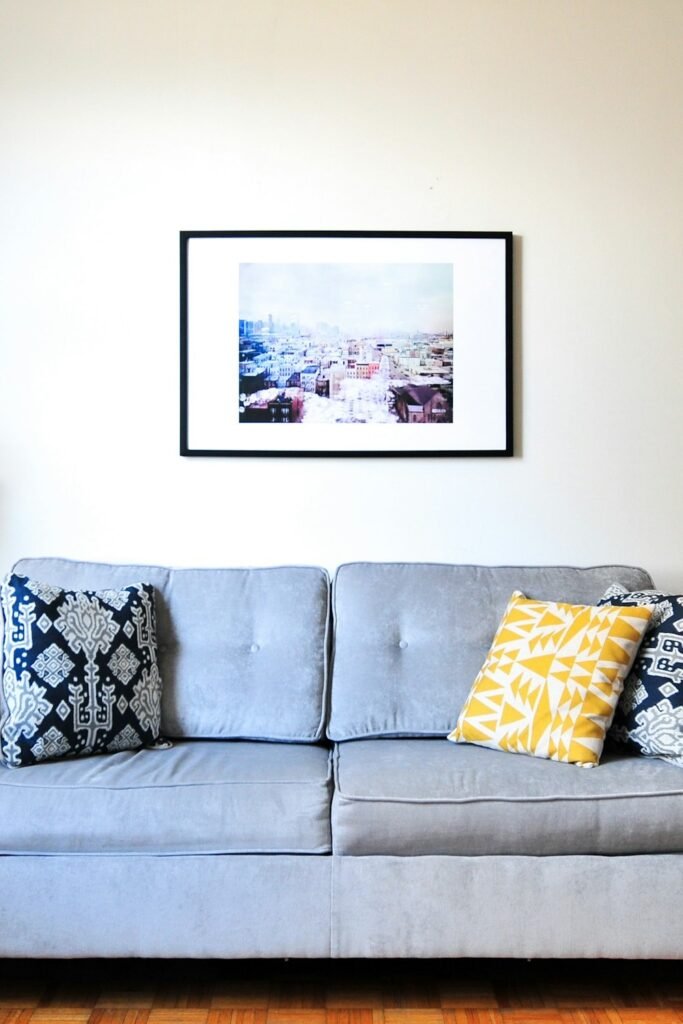
Every well-designed room has a focal point — one element that anchors the space and gives the eye somewhere to land. In a traditional room, the fireplace is the natural choice. If you don’t have one, a large piece of artwork, a built-in bookshelf, or a media wall can serve the same purpose. Arrange your furniture to face it and frame it with lighting.
18. Pink Living Room Paint
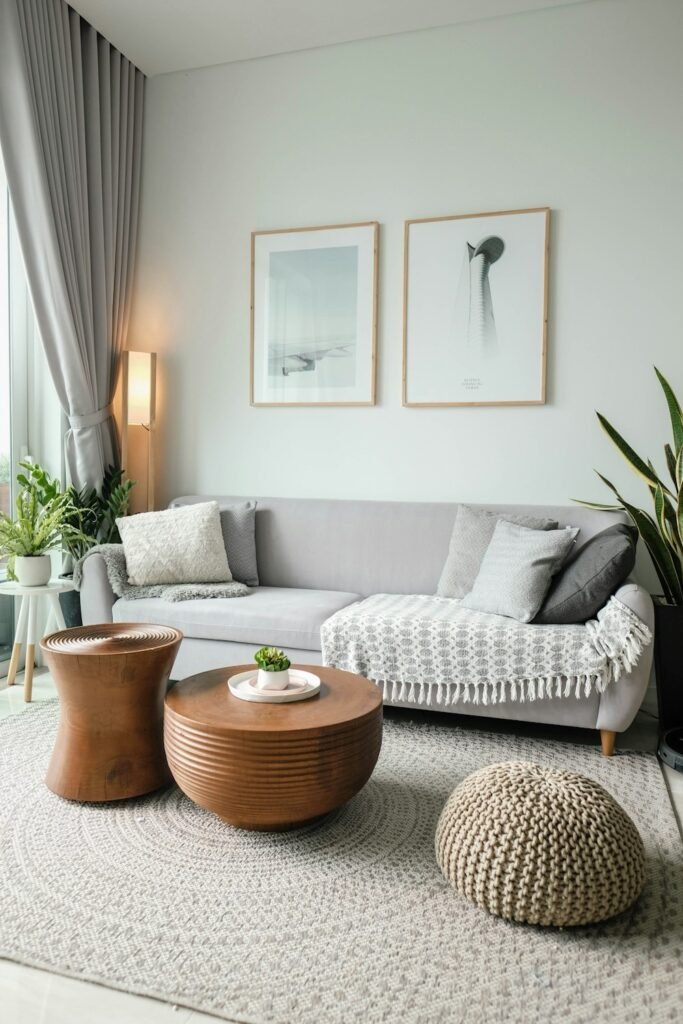
Pink is having a real moment in interior design and it works surprisingly well in a modern traditional room. Dusty rose, blush, and terracotta-pink shades all feel warm and sophisticated rather than sweet or juvenile. Pair pink walls with warm wood furniture, cream upholstery, and brass accents for a look that feels current and characterful at the same time.
19. Updating Wood Ceilings
Wood ceilings are a traditional feature that can feel heavy if left as dark stained timber. Whitewashing or liming them lightens the room significantly while keeping the texture and warmth. If you have exposed beams, paint the ceiling between them white and leave the beams in their natural tone — this is a classic combination that feels both rustic and refined.
20. Living Room Wall Treatment Idea

Plain painted walls are the starting point, but they’re rarely the most interesting option. Board and batten, wainscoting, box molding, and Venetian plaster all add depth and texture that paint alone can’t achieve. Wallpaper is another strong option — a classic botanical, a tonal stripe, or a linen texture all suit the modern traditional style well and transform a room faster than any furniture change.
21. Updated French Country Living Room
French country style is traditional design at its most relaxed. The updated version keeps the warmth and charm — linen upholstery, carved wood furniture, stone or terracotta floors — but strips back the fussiness. Muted blues, soft grays, warm whites, and lavender work well on the walls. Add a few vintage French pieces and fresh flowers, and the room feels genuinely lived-in and lovely.
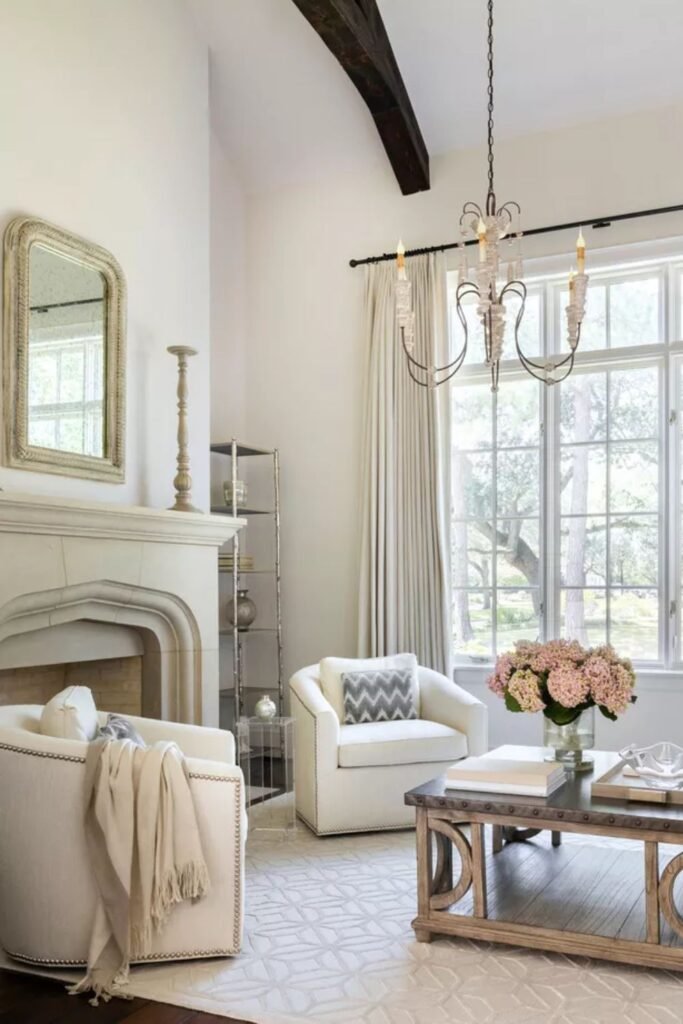
22. Glam Living Room Decor
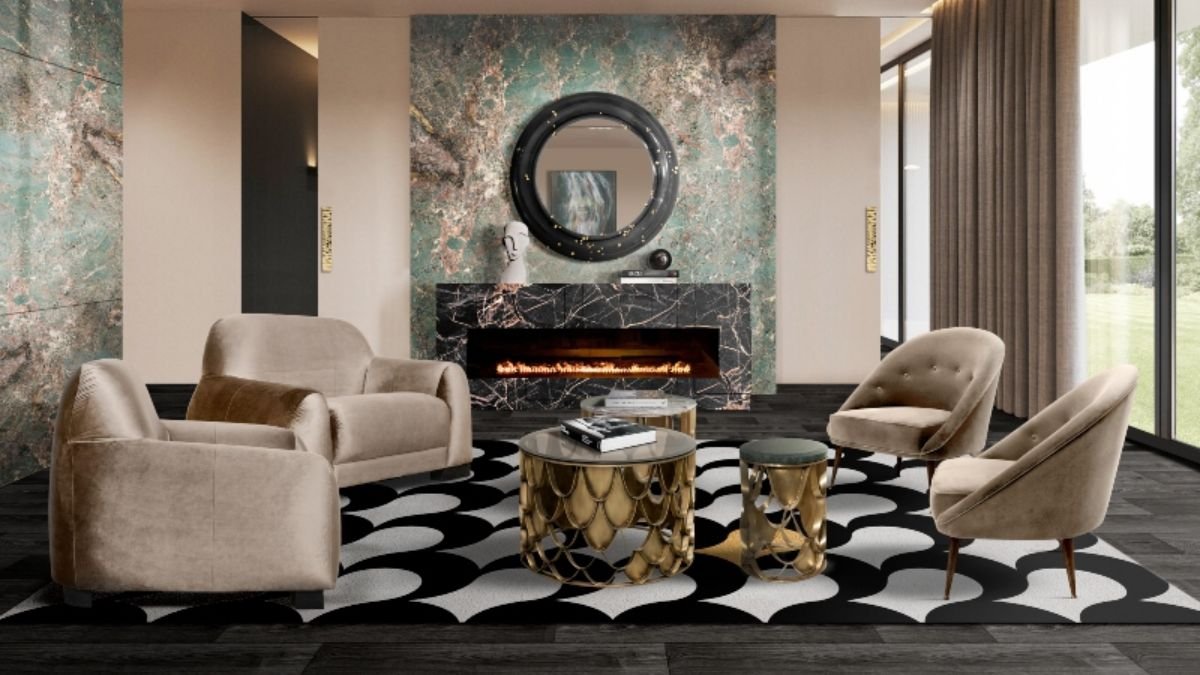
A touch of glam fits naturally into the modern traditional room. Velvet upholstery, a crystal chandelier, mirrored surfaces, and gold or brass accents all add that sense of luxury without tipping into excess. The key is restraint — pick two or three glamorous elements and let them stand out against a more neutral, understated backdrop.
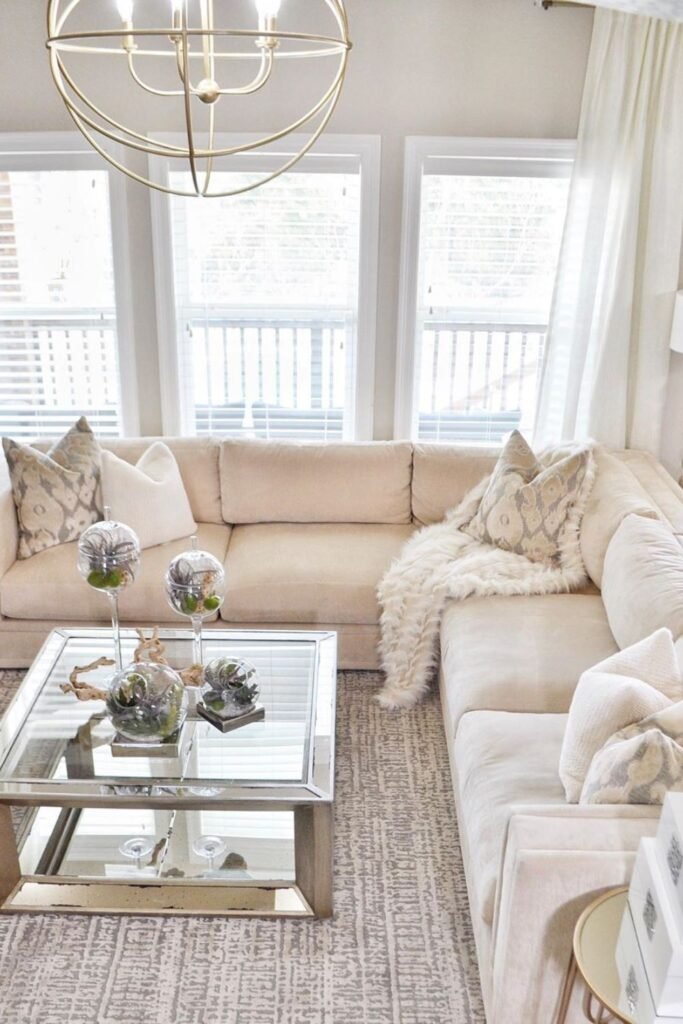
23. Make a Modern Space Inviting
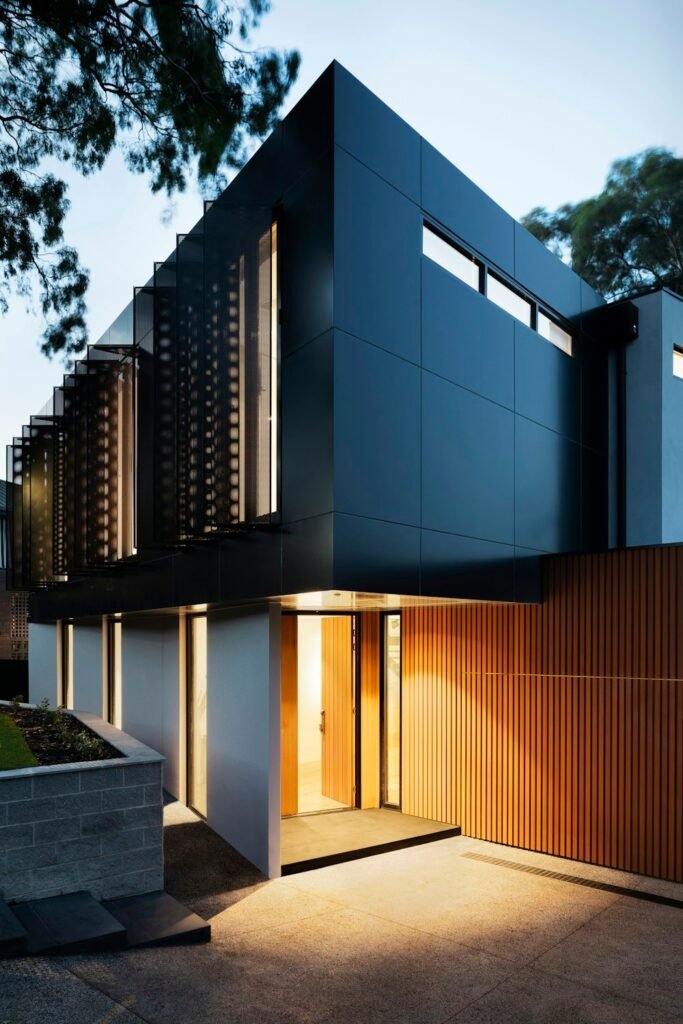
Modern spaces can feel cold if you’re not careful. The fix is layering in warmth through textiles, lighting, and natural materials. A chunky knit throw over the sofa arm, a wool rug underfoot, warm-toned table lamps, a few plants, and a stack of books on the coffee table — these small additions shift a minimal modern room into something genuinely inviting without changing its overall style.
24. Scandinavian-Inspired Living Room
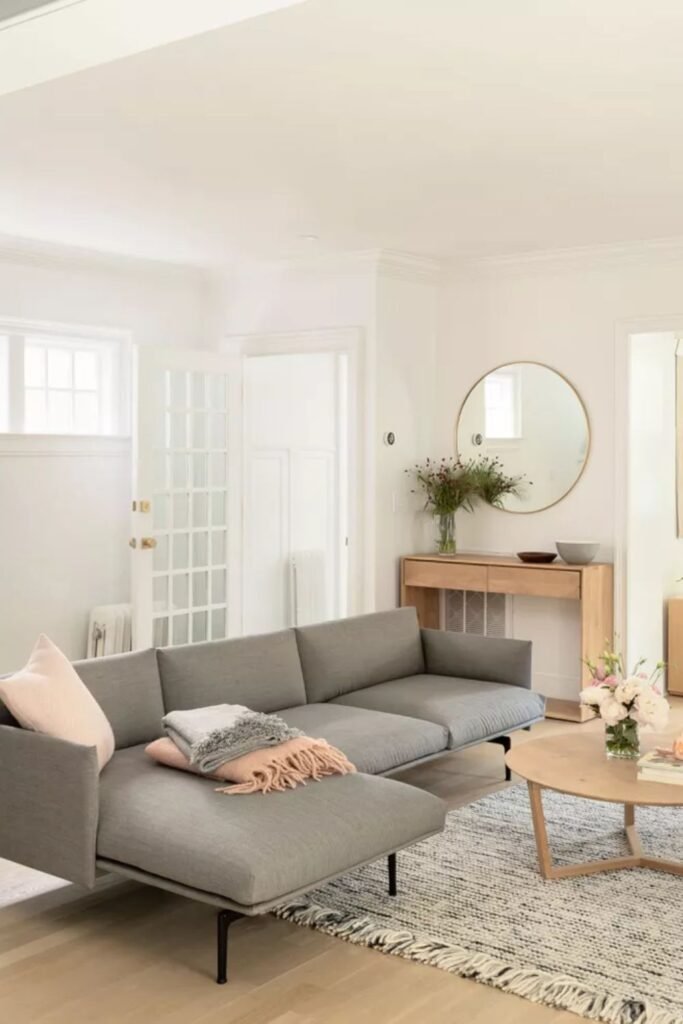
Scandinavian design and modern traditional share some common ground — both value quality materials, natural textures, and functional comfort. A Scandi-influenced traditional room uses light neutrals, clean-lined wood furniture, and simple textiles as the base, then layers in warmth with a traditional patterned rug, a few vintage accessories, and softer lighting. It’s a pairing that works well in smaller spaces.
25. Classic Furniture Details
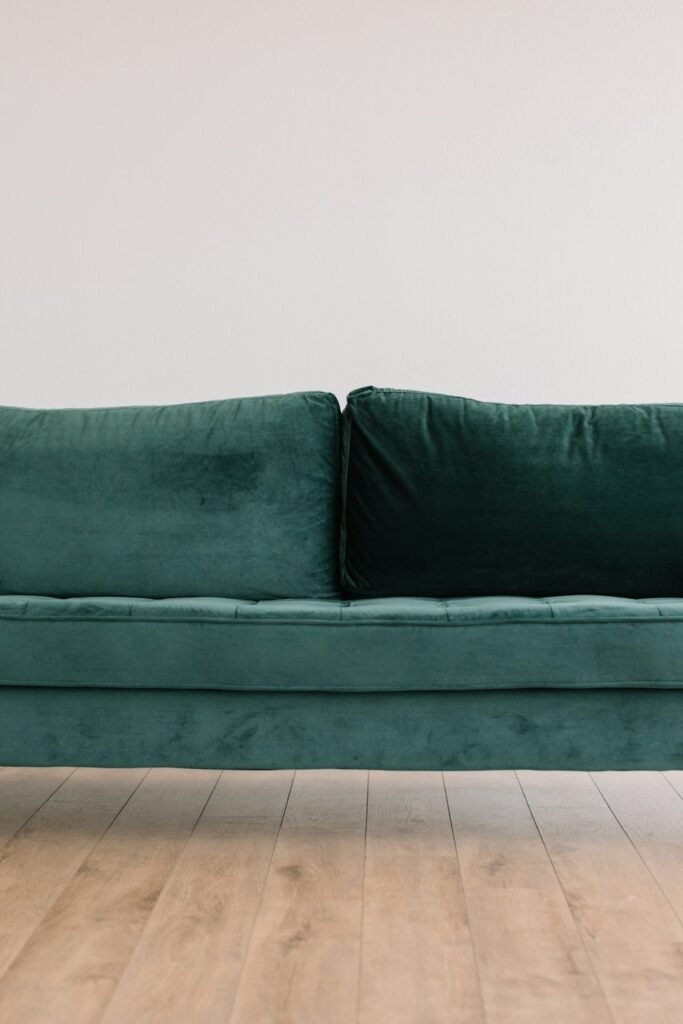
The details on traditional furniture are what make it worth keeping. Turned legs, button tufting, rolled arms, carved wood frames, brass drawer pulls, and nailhead trim — these are the elements that give classic furniture its character and durability. When shopping for pieces, look for these details even on more modern silhouettes. They bridge the gap between old and new and give the room the kind of quality that reads from across the room.
Conclusion
A modern traditional living room isn’t about replicating a period look or following design rules perfectly. It’s about creating a space that feels warm, characterful, and genuinely yours. Use quality pieces that will last. Layer in textures, patterns, and personal objects. Keep the palette grounded in warm neutrals and build from there. Whether your room is small or large, rented or owned, the principles stay the same — balance, warmth, and a mix of old and new that tells your story.
FAQs
Q1: What is a modern traditional living room?
. A blend of classic design warmth — rich wood, layered textiles, traditional rugs — with the clean lines and neutral backdrops of modern interiors. Comfortable, polished, and personal.
Q2: What colors work best?
. Warm neutrals like cream, beige, and warm gray as the base. Layer in navy, forest green, terracotta, or burgundy as accents. Brass and gold details add warmth.
Q3: Can I mix old and new furniture?
. Yes. Anchor the room with one vintage or antique piece and pair it with cleaner modern furniture. Keep proportions balanced and stick to a consistent color palette.
Q4: What rug works best?
. A Persian or oriental rug is the natural fit. Make sure it’s large enough so all main furniture pieces sit at least partially on it.
Q5: How many patterns can I use?
. Three to four maximum. One dominant pattern on the rug, smaller patterns on cushions and throws. Always keep some upholstery solid.
Q6: What lighting works best?
. Layer three types — a chandelier or pendant overhead, floor and table lamps for warmth, and accent lighting near the fireplace or artwork. Always add dimmers.
Q7: How do I stop it from looking old-fashioned?
. Keep walls neutral, choose cleaner furniture silhouettes, avoid clutter, and add one or two modern pieces like a contemporary artwork or sleek floor lamp.